
A buyer orders a surprise sticker pack with three pieces inside. One pack contains three different designs; another repeats the same flower twice. Both contain three stickers, but only one may match the intended product. Before quoting random sticker assortments, define what variation is allowed inside a pack and what must be controlled across the batch.
A fixed assortment has one named content list. A variable assortment has a rule for building acceptable content lists. That rule must be clear enough for the party doing the packing to follow and for the buyer to review without guessing what random means.
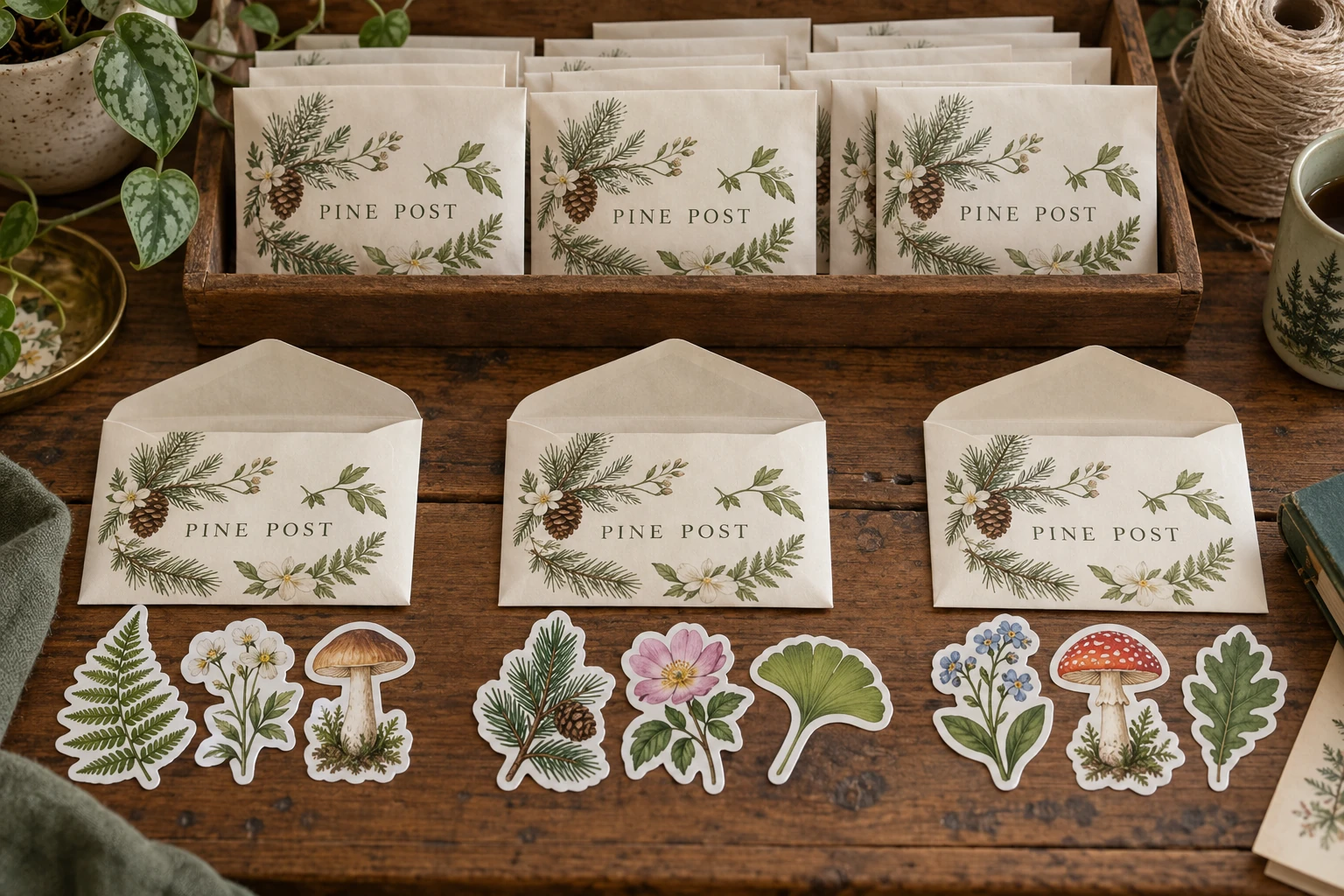
Define what one acceptable pack contains
Start with the number of finished backed pieces, the eligible designs and any exclusions. Decide whether repeat designs are permitted within one pack. If the product promises three different designs, a repeated illustration does not become acceptable simply because its backing color differs. Identify what the owner considers a distinct design.
Next define any category requirement. A botanical pack might require one leaf design and allow its other pieces to come from an approved flower pool. Another product may allow any combination from one list. These are different assembly instructions and may require different supply quantities. Record the actual rule rather than using a photograph of one attractive sample to stand for all possible packs.
| Rule field | Decision for the buyer |
|---|---|
| Pieces per pack | How many finished supplied units must be inside? |
| Eligible pool | Which design references and artwork versions may be used? |
| Duplicates | Are repeated designs allowed within a single pack? |
| Category condition | Must a pack contain a particular type or combination? |
| Substitution | Who can authorize a replacement or pool change? |
Separate pack rules from batch quantities
A requirement that each pack contains different designs does not establish an equal distribution of designs across the order. A requirement for an equal batch total does not establish the contents of every pack. Decide which matters to the product and specify each separately.
For example, an explicitly illustrative project has four approved designs and three pieces per pack, with no repeated design inside a pack. It can use several three-design combinations. A request for equal use of the four designs introduces an additional batch constraint. The packing plan needs to satisfy both if both are required. A random-looking arrangement alone proves neither.
Do not advertise odds, rarity or a guaranteed collection outcome unless the responsible product owner has a substantiated plan and has reviewed the applicable requirements. This article makes no such claim and does not prescribe a probability model. For a simple mixed assortment, an honest description of permitted variation may be sufficient for the owner's intended product.
Check component availability against the rule
List usable quantities of each eligible design and distinguish them from unreviewed or held pieces. If a mandatory category is short, surplus pieces from another category may not solve the shortage. If duplicate-free packs are required, a pile of one design cannot by itself form a valid three-piece pack.
Ask the packing party to propose a feasible allocation using the actual component quantities and rules. Review the proposed pack types and batch totals with the owner before closing envelopes. For a complex assortment, agree a suitable planning and checking method with the responsible operation; do not treat a rough visual mix as an auditable allocation.
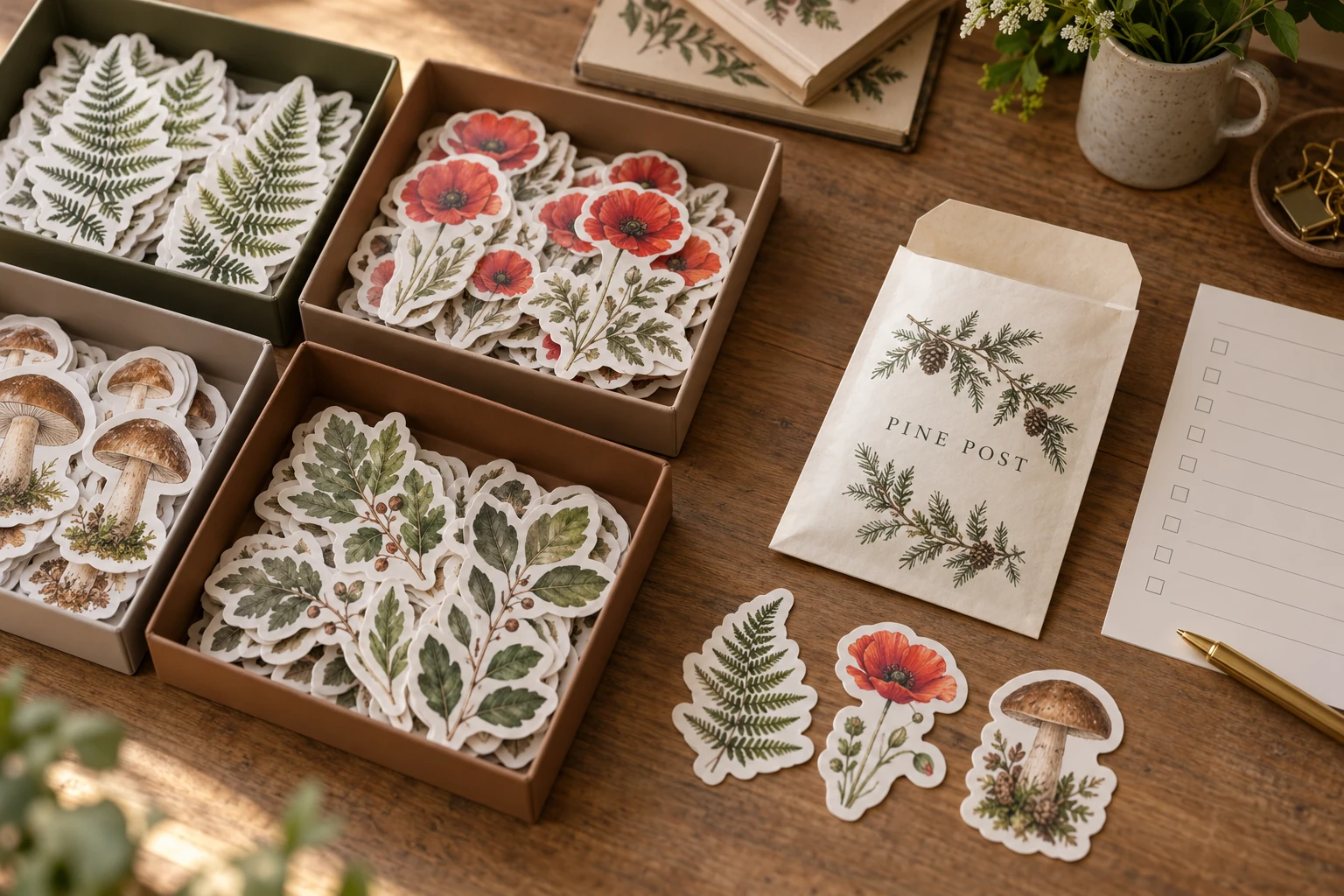
Choose a packing method that can be checked
One option is a finite list of approved combinations with quantities assigned to each. Another is a controlled selection process that applies the agreed restrictions during packing. The first makes the batch allocation explicit but reduces freedom; the second requires a clear way to prevent prohibited repeats or combinations. Obtain confirmation of what the supplier or local packing team can actually perform.
Keep an open reference showing the complete pieces as supplied, plus a closed reference of the finished envelope or bag. If some designs use larger backing, review the largest allowed combination in the proposed pack. A sample containing only the smallest pieces may conceal an insertion or closure problem.
Define how incorrect or uncertain packs are handled before they rejoin released stock. A check record should identify the rule version, component pool and packing scope reviewed. The parties must agree any sampling or inspection arrangement appropriate to the order; one acceptable sample cannot establish every pack's contents.
Control a pool change without changing the promise silently
When a design becomes unavailable, compare the replacement against both the pack rules and customer-facing description. If the printed envelope shows a design that is no longer eligible, the product owner must decide whether the presentation remains accurate. Do not hide a changed assortment in a packing note while leaving the approved product description untouched.
Give the revised pool a version and state which packing work it governs. Keep already assembled, reviewed and held packs identifiable. A revision approved for new packing does not automatically establish the contents of older closed packs. Resolve that stock with the responsible owner instead of treating all envelopes as interchangeable.
The fixed sticker-pack guide explains a single bill of contents. The allocation guide covers where finished units go. This decision comes earlier: which variations qualify as the same acceptable mixed product.
For a mixed sticker-pack quotation, send the eligible artwork pool, pieces per pack, duplicate and category rules, any batch-distribution requirements, finished pack quantity, packaging dimensions and destination. Ask the supplier to confirm feasible assembly, checking scope and component quantities before accepting the quote.