
“The labels are bad” arrives with a cropped photograph. The supplier cannot identify the roll, see the whole package or tell whether the issue appeared during application or later handling. The buyer needs a response, but the evidence has already lost the context that could make the next action useful.
When reporting a label defect, separate the observation from its suspected cause. Identify the affected stock and preserve representative evidence before changing the process or mixing the material with other deliveries. A clear report does not prove fault. It gives the responsible parties a better basis for investigation and disposition.
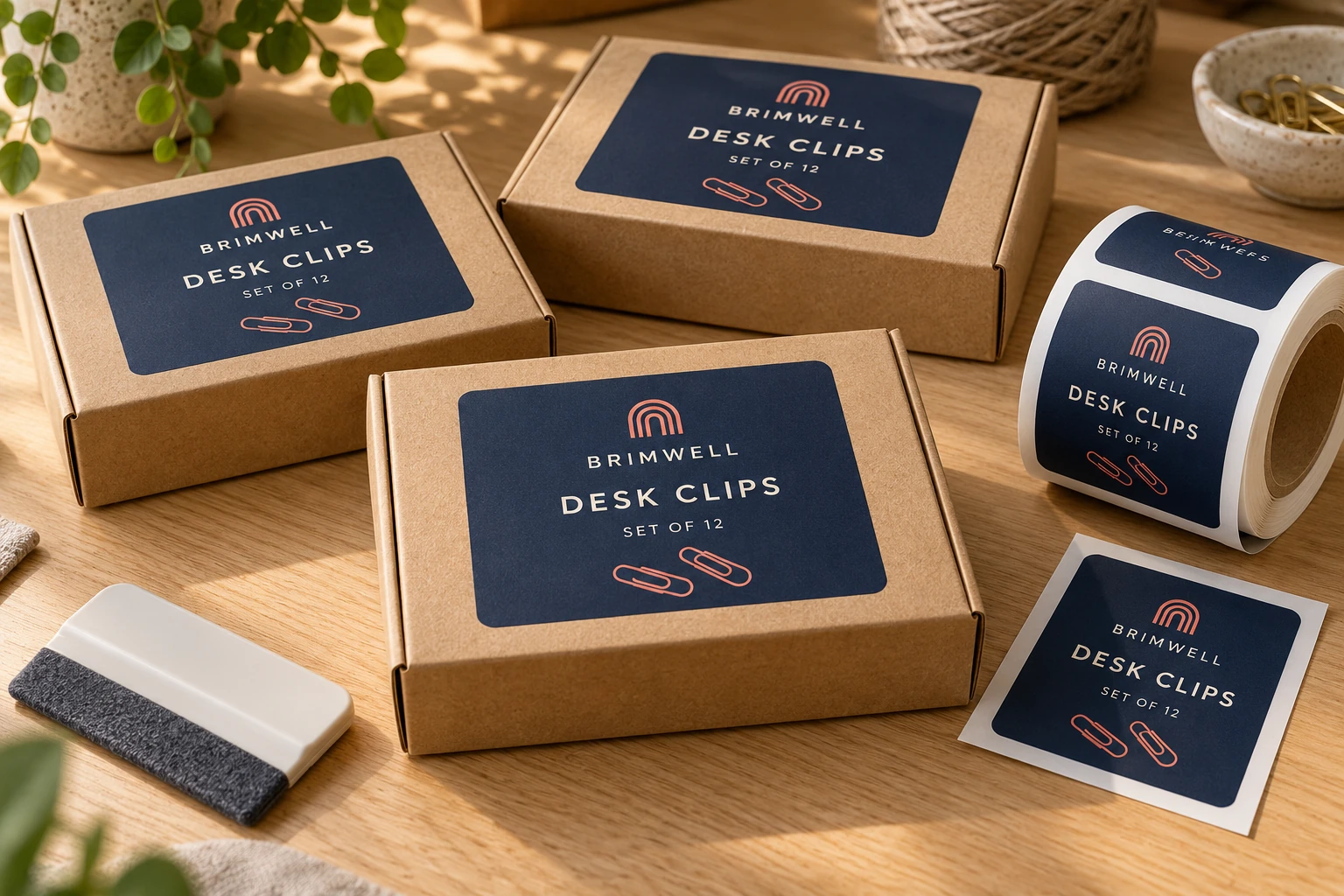
Describe what happened and when it became visible
Use an observable statement. “The edge lifted near the container seam after this stage” is more useful than “the glue is weak.” “The printed product name differs from the accepted file” is more useful than “wrong printing.” Attach the location and event to the observation.
Record whether the issue was found in unused stock, during application, after packing or later use. Keep the actual surface, container version and relevant conditions where known. Do not invent a temperature, dwell time or operating setting to complete the form. Unknown information should remain a question for the person who observed the event.
If safety, product identity or another important operational concern is involved, refer the stock to the responsible owner under the site's procedures. This guide does not authorize continued use or prescribe a universal hold/release decision. The disposition needs to fit the actual issue and accepted requirements.
Connect the piece to its source
Retain the supplier/order reference, artwork revision, roll or pack identification and construction details available with the affected material. Photograph the original identification before separating samples. If several deliveries look similar, do not infer which one produced the piece from appearance alone.
Keep affected and apparently unaffected references identifiable where the responsible team considers comparison useful. A good piece from another construction is not automatically a control sample. Record what it actually represents and which conditions differ.
The bulk receiving guide covers design and delivered-quantity checks. A technical issue report adds the observation stage, material identity and evidence needed to investigate behavior or reproduction. Do not let a correct carton total settle a different product question.
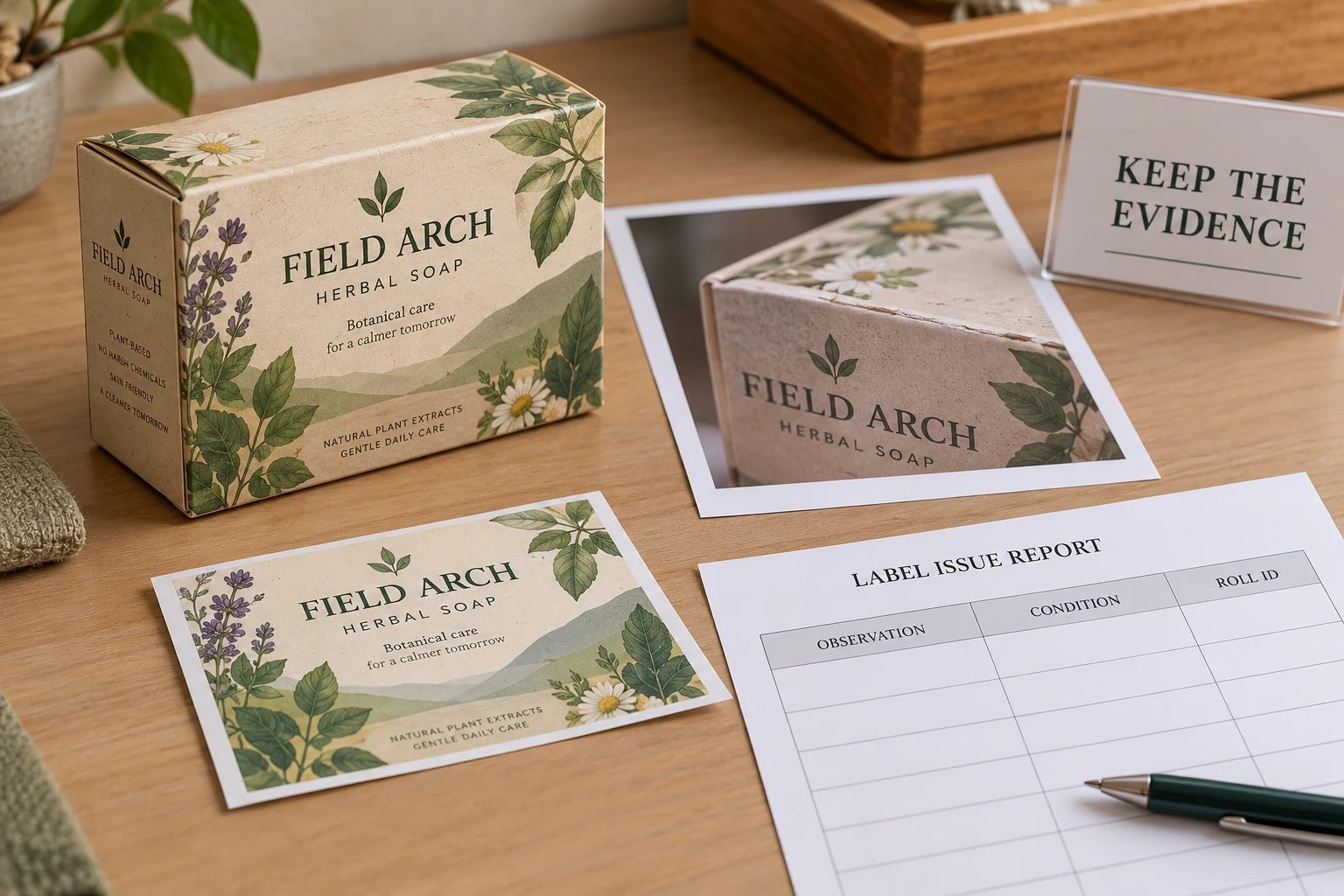
Photograph scale and context separately
Take a whole-package view to show location, then a close view of the important detail. Include a useful scale reference where needed without obscuring the feature. Preserve the original image as well as any annotated copy. A tight crop can make a mark visible while hiding the seam or edge that explains where it occurred.
If the issue concerns wording, include the accepted artwork reference and a legible image of the actual printed information. If it concerns a code, keep the owner's expected data and the observed result distinct. A photograph of a code is not a formal verification result.
Do not manufacture missing evidence with AI. An illustrative diagram can explain the desired view, but it must be labeled and kept separate from actual incident records. Never use an invented photo, customer statement or test value to strengthen a claim.
Make the report small enough to answer
| Report field | Information worth retaining |
|---|---|
| Affected stock | Order, artwork and roll/pack identification |
| Observation | What is visible, where and at which stage |
| Conditions | Actual known surface, use or application context |
| Extent observed | What was checked, with unknown extent left open |
| References | Accepted file/sample and identified photographs |
| Requested next step | Investigation question and responsible contact |
Distinguish “observed on these pieces” from “every label is affected.” If the extent is unknown, say so. A partial observation can still justify a careful review without being expanded into an unsupported whole-lot conclusion.
The supplier may request another view, a retained sample or additional process information. Ask why it is relevant and identify what can actually be provided. Avoid repeating an uncontrolled trial merely to produce a reassuring photograph. Preserve the conditions needed to interpret the next observation.
Avoid changing several variables before the review
If the operation changes the package, preparation method, label construction and application settings at once, the apparent result may be difficult to interpret. Record any change the responsible team makes and keep the earlier evidence. Do not retrospectively treat the latest condition as if it were the one that produced the original issue.
The bubble investigation guide addresses one specific symptom. Use it when relevant rather than turning every complaint into an adhesive diagnosis. Printing, cutting, data, packing and application can raise different questions.
This record does not assign responsibility, a claim deadline, credit or replacement entitlement. Refer to the accepted order terms and the parties' actual agreement. A neutral description can support a firm request without prejudging an investigation or promising a remedy the supplier has not confirmed.
Ask for a disposition tied to identified evidence
Keep the supplier's response, any further observations and the owner's decision with the original report. If a replacement, rework or alternate use is proposed, obtain the relevant confirmation and identify what must be checked before that action. Do not let an informal suggestion become an unrecorded new product specification.
For the custom roll label route, send available order/roll references, artwork, actual package photos, the observation and stage, known extent and relevant conditions in a label issue review enquiry. These inputs help establish the next technical question while keeping observations, possible causes and commercial decisions separate.